

Miserable Gods
When having everything means nothing

In my most recent interview with author and mythologist Sylvia Linsteadt, we spoke about Greek gods. She reminded me of a central characteristic of them: that while being beautiful and immortal, able to command the physical world around them at will, the gods frequently meddled with us mortals. They couldn’t help themselves. There was something they longed for within our frail bodies and weak minds. And while they often sneered at our feebleness, their actions spoke louder than words. They were jealous of us. Even though they watched humans endure every element of pain, death, loss, and limitation, they knew we had something vital they didn’t – MEANING.
Death limits life, disease limits health, loss limits love, and scarcity limits abundance. And as any economist will tell you, limitation drives value. The gods had none. And so, with every whim fulfilled, with the threat of death nonexistent, their limitless treasures were worthless.
I immediately saw the connection between how us modern humans relate to our ancient predecessors. We don’t want to be as vulnerable as they were, much like the gods, but we find them fascinating. We look to them to explain ourselves, hack our health, and redefine our relationships. A common trope in the social sciences is to refer to our minds as “caveman brains.” The underlying message is that we are superior to our predecessors. Yet, we have inherited these meddlesome brains and bodies that get in the way of our progress as a species. For example, if you have social anxiety, it’s because your brain and body literally cannot tell the difference between social exclusion and death. Or that stress over things like email or relationship instability is similar to how our ancestors felt while running away from lions on the savanna (a common cliché in psychology writing).
Strange enough, I actually have had the experience of running away from a mountain lion.
A few years ago while on a solo hike just outside of LA, I stopped to stretch. I heard something moving in the bushes. I turned to look and saw a large wildcat slinking towards me, each one of her paws as big as my face. Even though I knew that I was supposed to wave and shout, and never run from a mountain lion, I couldn’t help myself. My instincts subsumed my thinking mind, and I was incapable of making the decision to stay put. I sprinted as fast as I could for a mile straight (a level of athleticism previously unattainable to me). Thankfully, the cougar didn’t follow me, but I shudder to think of my fate if she had.
While the experience was traumatic, I also had the sense of being washed clean. All of the human mind nonsense that torments me daily completely vanished during those few minutes. I was a wild animal in the wilderness. A couple hours later, I was back in the office. I had to spend the rest of the day answering phones and emails, but I felt like an alien. I told my coworkers what happened earlier that morning, but it felt false. It was like I was recounting a bit of social gossip, trying to get a rise out of them. They hardly cared. In that sterilized room where windows were glued shut and synthetic carpet covered the floor, where plastic machines beeped and buzzed, it was impossible to make them understand. Had I imagined the whole thing? No I hadn’t. My body knew it was real. My blood felt cleaner, faster, rushing through my veins. I was awake. And even though I was unscathed, I knew I had brushed up against death that morning, and I had never felt more alive.
To compare that experience to our menial modern troubles trivializes the visceral intensity of LIFE in all its gory glory. The comparison is a symptom of how far removed we are from these daily negotiations between life and death. We want to pretend like we can touch them. We want to imagine we can experience them through “recreation” but it is simply that: a re-creation. Not the original, but a copy removed from its source. Because these things are optional and no longer essential, failure is less consequential, and therefore less significant.
But who in his right mind would choose torture and death over comfort? Not any human I know. We flee from those things for good reason. I would never willingly choose to face a mountain lion again, even though I was invigorated by the experience. This is the central tension we face in our current age. What are we willing to suffer for? At what point is a lack of “suffering” more painful than its inverse?
We can also track the loss of meaning through the diminishment of culture.
The art forms that emerged through technological advancement are undeniably valuable. Cinema, photography, and recorded music contain beautiful expressions of human ingenuity that couldn’t exist before the advent of recording devices. However, the more that modern technology erases limitations, the less meaning these creative forms have.


Watching a movie was once an event worthy of dressing up for. Now renting a piece of “content” for $2.99 on your laptop will suffice.1 The meaning of cinema dwindles as a result, and so does the experience of watching a movie.
It’s the same with photography. Getting a picture taken was once a special occasion, possibly a once-in-a-lifetime event. Now photo-taking has become an essentially meaningless action to those with smartphones.
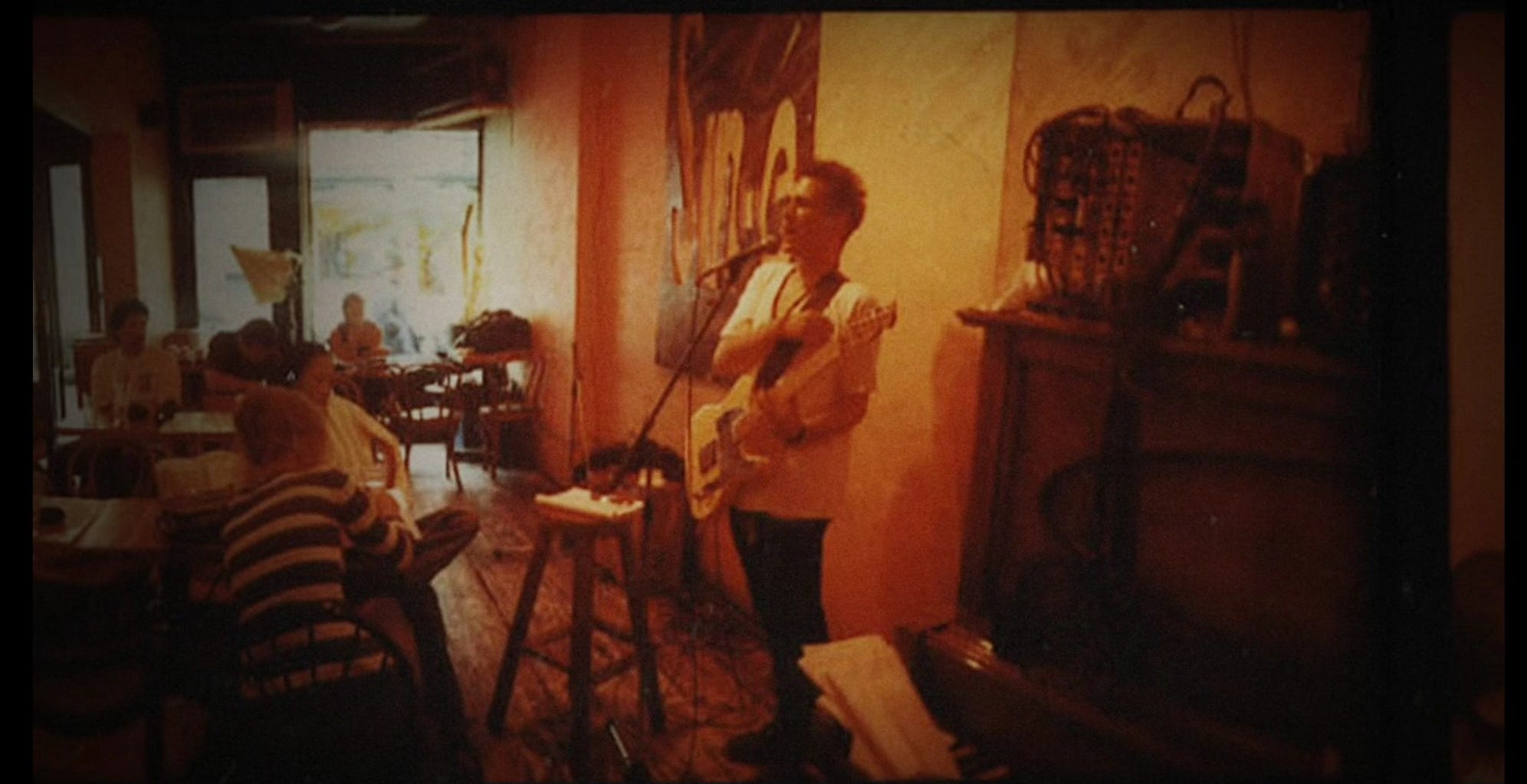
It’s the same with music. The experience becomes diluted. And while I love putting on an old record, or scream-singing to pop while driving alone, nothing beats the immediacy of a live performance. Imagine the romance of watching a skilled guitarist move his fingers across rosewood frets, his dark brown eyes catching yours across the room as he sings of an old love that never could be. While the audience sits in quiet rapture, the separation between everyone’s emotions is temporarily dissolved. The man in front of you has suffered as a result of loss, and he has alchemized suffering into something beautiful. The experience of being there is fully sensory, relational, and immediate.
There are obviously many pros and cons to the democratization of technology.2 However, only recently has it become commonplace to criticize technological “progress.” We have finally reached a point in which the mainstream is willing to acknowledge its downsides. The original luddites, the Amish, artists, and eccentrics were right all along. It’s only now that TV personalities, the surgeon general, and pop-scientists are willing to admit it.
Why now though? Folks in the 1950s knew that televisions in every home would decrease literacy and be hugely distracting, or that large factories would take away self-determination, craftsmanship, and local economies. The regular people who lived through the industrial revolution witnessed the deluge of changes and destruction new technologies wrought. I of course was not alive back then, but it seems to me that average people were more willing to accept loss and hardship as a result of these changes because there was a cultural narrative of hope and excitement underlying them.
Certain laborers and eccentrics may have opposed them, but the mainstream narrative was one of undeniable progression. There was a sense that nothing like this had ever happened before, and that advanced technology expressed human greatness. Also, some of the utopian promises of technological growth actually came to fruition. Antibiotics prevented countless deaths. Train and air travel really did open up opportunities to see the world in new ways. Countless jobs and vocations emerged as a result of these innovations.

If I was alive in the late 19th century and early to mid 20th, I would have probably felt the same way. The sheer excitement of modernity’s newness would have blown away any concerns over its amassment of power and destruction left in its wake. There were just enough limitations still in place that recent technology still felt beneficial.
As a young child in the early 2000s, I felt similarly. I remember gaping over a spread in National Geographic Kids. The title of the article was something like: this is what the world will be like when you’re 40. There were self-driving cars, computers embedded in glasses, and utopian urban street plans. Everything looked so easy and comfortable. I remember visiting Epcot with my dad, a theme park at Disneyworld, and touring their “house of the future.” There, they showcased various technologies that would be ubiquitous in the coming years. I was amazed by a phone that could make video calls, a hidden-camera doorbell, and an electric car. I couldn’t wait for the future.
Now, I feel differently. I’ve installed multiple website blockers on my laptop to refrain from wasting time during the workday. I use nearly all of my will power to avoid looking at my phone first thing in the morning. Last month, I was nearly killed by an erratic self-driving car in LA. Zoom meetings, while convenient, are preternaturally exhausting and dehumanizing. Electric car battery mining threatens my ancestral country. And I’ve watched everyday artistry denigrate before my eyes. I could go on and on.
Some compare the internet revolution to that of the invention of the printing press.3 They say we are in a period of chaos and instability that is analogous. Yet, if the internet is like the printing press, then how do we compare AI? We are navigating uncharted waters, and technology is changing too fast for norms, laws, and cultures to keep up. We don’t know what is next, or when material limits will eventually slow or obliterate the acceleration.
My hope is that the normalization of technological critiques will give many pause as we move towards an uncertain future. Governments are unequipped and too corrupt to protect their citizens from AI’s worst risks. I don’t know of any political party in existence that is willing to push back on it – to stop its owners from stealing our jobs, our art, and our dignity (as they have already done).
Technological titans have too much money and power to be trusted. Their guiding principles are often disturbing and anti-human. Through their hands, the very infrastructure of society has shifted so drastically, that to reject current digital tools like email is either a sign of immense privilege or requires one to live on the outskirts of culture, unable to participate. This is restrictive.
A myriad of influences conspired to make these changes ubiquitous, but the most nefarious of them all is convenience. Convenience is the biggest temptation of our time. It is not something worth living by or dying for, and yet it has reshaped our world.
Convenience is a value for the valueless.
Convenience fuels lethargy, despair, and a loss of agency. Against my better judgements, I often capitulate to it. Convenience is the little devil on my shoulder telling me to waste money on takeout, use AI to draft boring work emails, and order from Amazon. Convenience convinces me that I need a smartphone (even though I hate its hold on my attention), and that I am incapable of reading a map. Convenience convinces society at large that it provides solutions to problems rather creating new ones.4
Convenience strips away the value of our achievements that require struggle in order to materialize. Convenience tells us that the way things are will never be enough. You will never be enough. You are dumb, slow, and achey… but convenience will fix everything and you can forget about the horror that is life. Since everything is presented as a problem to be solved in convenience ideology, the inadequacy of life becomes the baseline assumption. But this is a damaging myth. Convenience obfuscates the consequences of our actions, and detaches us from the direct experience of life.
“We believe any deceleration of AI will cost lives. Deaths that were preventable by the AI that was prevented from existing is a form of murder.
We believe in Augmented Intelligence just as much as we believe in Artificial Intelligence. Intelligent machines augment intelligent humans, driving a geometric expansion of what humans can do.
We believe Augmented Intelligence drives marginal productivity which drives wage growth which drives demand which drives the creation of new supply… with no upper bound.”5
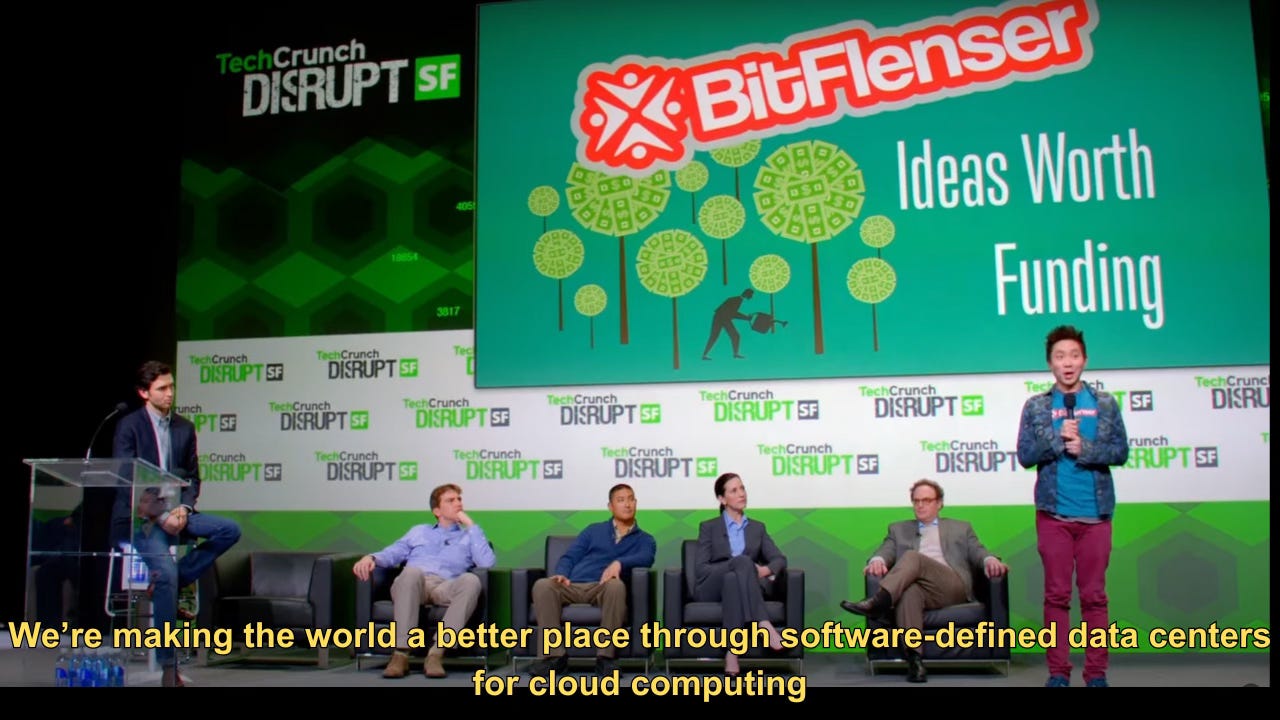
Continued growth enables megalomaniacal technocratic leaders to continue their “disruption” (an ersatz term for destruction). In their desire to turn us into Greek gods, using the temptation of convenience to get their way, they have become like the worst versions of them – vain, destructive, and insatiable. Their obscene wealth allows them to command the world to do as they will. Their unbelievable lack of humility guides their belief that they will make world a “better place” through the accumulation of their own power.
Yet, somehow I have hope. Limitations give me hope.
The fact that technological critiques are now commonplace reflects the fact that our human limitations might put a stop to careless growth. Somehow picking out a movie at Blockbuster was a lot more fun than scrolling through Netflix. Meeting a friend for coffee is a lot more meaningful than commenting on a photo of their latte art. The music I have diligently curated on my iPod is of immensely higher quality than the garbage that circulates through unchecked algorithmic recommendations.
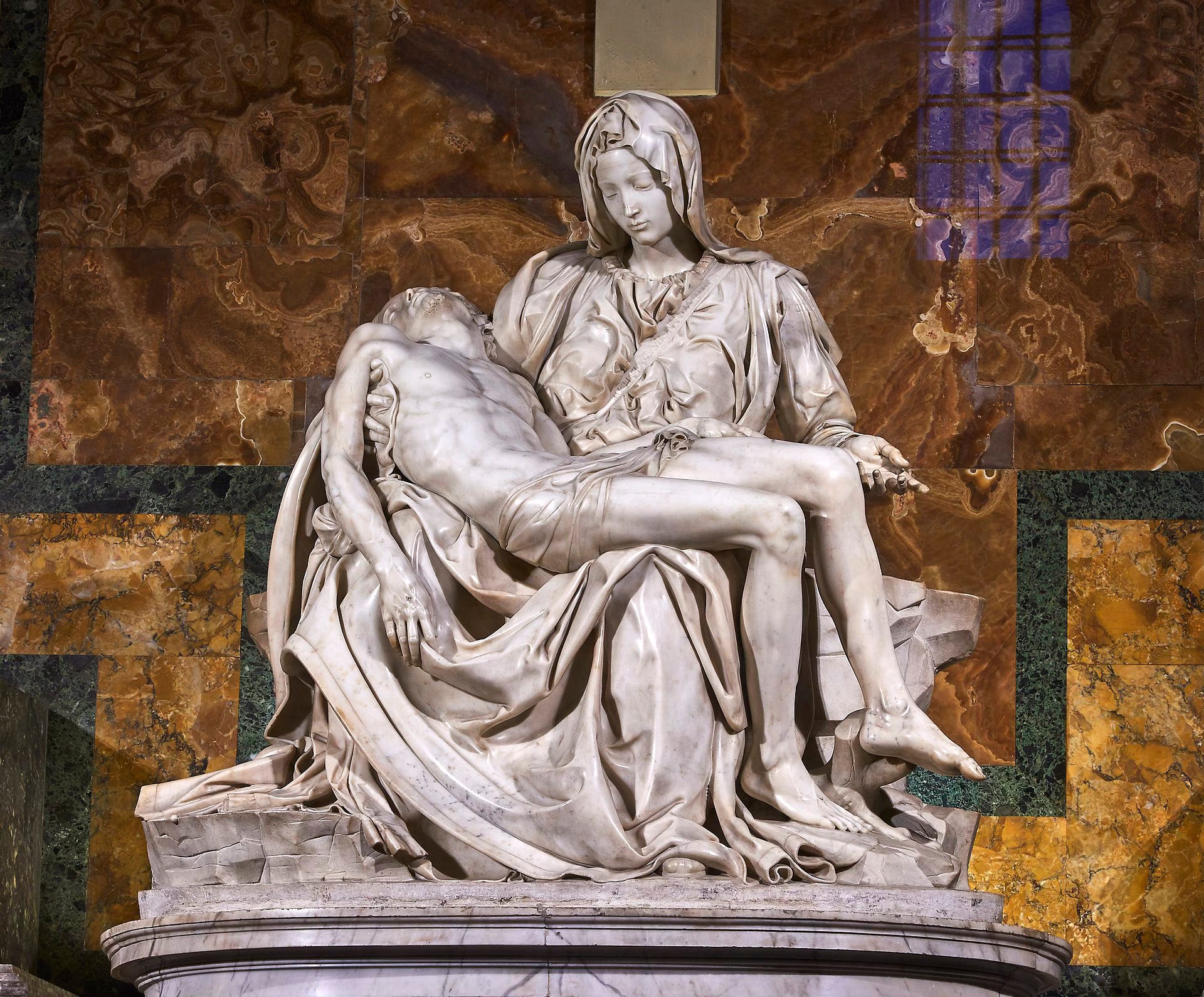
When I look at Michaleangelo’s famous sculpture Pieta, I am reminded that humans made that. Humans who understood suffering and injustice spent their lives perfecting an art form to convey the most primal agony of a mother losing her child. Across hundreds of years, I can understand that. I can understand the meaning of sacrifice within the story, and the individual sacrifice that great works of art imbue through their creation.
The difference between us and the gods is that we ultimately cannot escape our limitations. And the more I investigate the comparison, it falls apart. Thank God. I don’t want to be limitless, because I would lose everything that I find most valuable.
We have this desire for meaning that never goes away, no matter how hard we try to ignore it. This meaning, which we experience through limitation, defines us. It is why a synonym for the word “human” is “imperfect.” And these imperfections are what make us beautiful and beloved to those who truly care for us.
When I was first falling in love with my fiancé, I felt like I was breaking apart. I knew that if I opened up my heart to him, I would merge with him forever. That was incredibly vulnerable. For a time, I suffered from nightmares about him dying. I would wake up crying because I knew I would never recover if I lost him, and that was now possible. Saying yes to him required me to say no to everyone else. It required me to embrace my own limitations, to make myself fragile in his presence so I could surrender to something greater than myself. Our love exists in tension with loss, vulnerability, and betrayal – but we still choose to risk all of that. It is what makes us human.
We are not ready for the eternal yet. Life holds us back from it for the duration of our brief existences. Attempting to impose a version of eternity through the destruction of limits on earth is doomed to fail. Life is the experience of limitation. When we attempt to remove all limitations from it, we engage in a form of denialism. We deny our inherent value as limited beings. You could call that value a soul. I don’t think the gods had them.
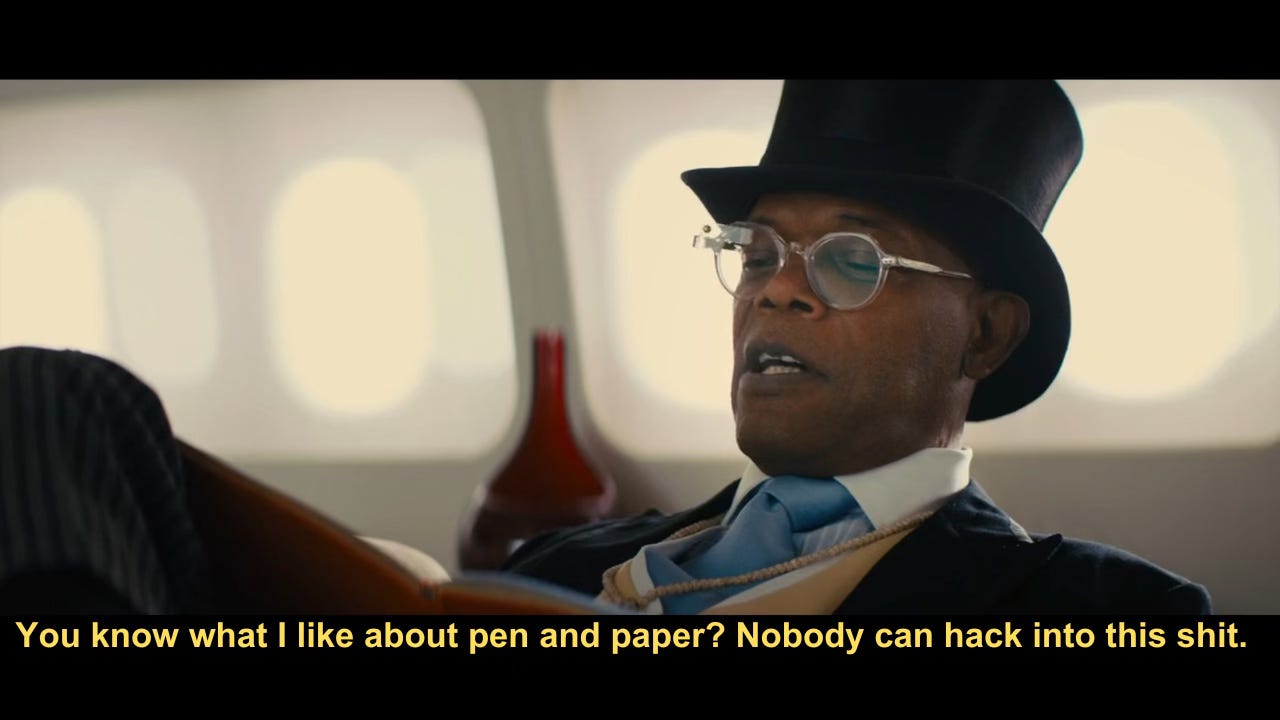
Even though I used to dismiss Quentin Tarantino’s complaints as out of touch, I now admit he is right.
I am able to write directly to you, dear reader, bypassing those pesky gatekeepers.
Carr, Nicholas G. The Shallows: What the Internet Is Doing to Our Brains. W. W. Norton & Company, 2011
I find it hilarious that there are now countless AI detection services online as well as services that help you “humanize” your AI text to make it detection proof. Who knows if any of these are actually reliable…
Disturbing words from Marc Andreesen’s ridiculous and rationalist “techno-optimist manifesto.”
I really enjoyed reading and listening to this latest essay, Simone. I think it’s one of the best you’ve written on Substack. You’ve woven together many lines of thought, exploring human existence through comparisons to Greek gods, ancient predecessors, and more recent periods of progress. Your analysis of technology and how it relates to meaning and meaninglessness is rich and layered. I also appreciate your reflections on your personal experiences both with technology from birth to now, and the rawness of life fully lived, and how your perspective has evolved over time.
The way you examine life’s experiences and values through the lens of our limited existence is well thought of. Your discussion of modern moguls of the world using marketing tools to promise virtual immortality—mirroring the gods—is especially insightful. I also liked your emphasis on the seductive and troubling nature of convenience of modern life, and how you and many others are drawn to its “siren’s call,” is very thoughtful.
In addition, your illustrations for the essay are excellent.
I really appreciate your sophisticated writing, your deep thinking, and the overall richness you bring to the world with your perspectives.
Brilliant! "Convenience is a value for the valueless." Wow, yes!